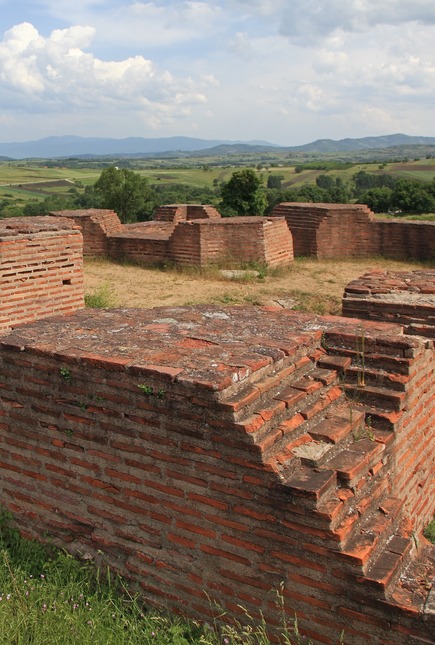
Roman Emperor Justinian I, born in the south of present-day Serbia, wished to build a city in his home region that would be named after him. Thus, in the 6th Century CE, Justiniana Prima was born and became one of the most important Byzantine cities in the Balkans.
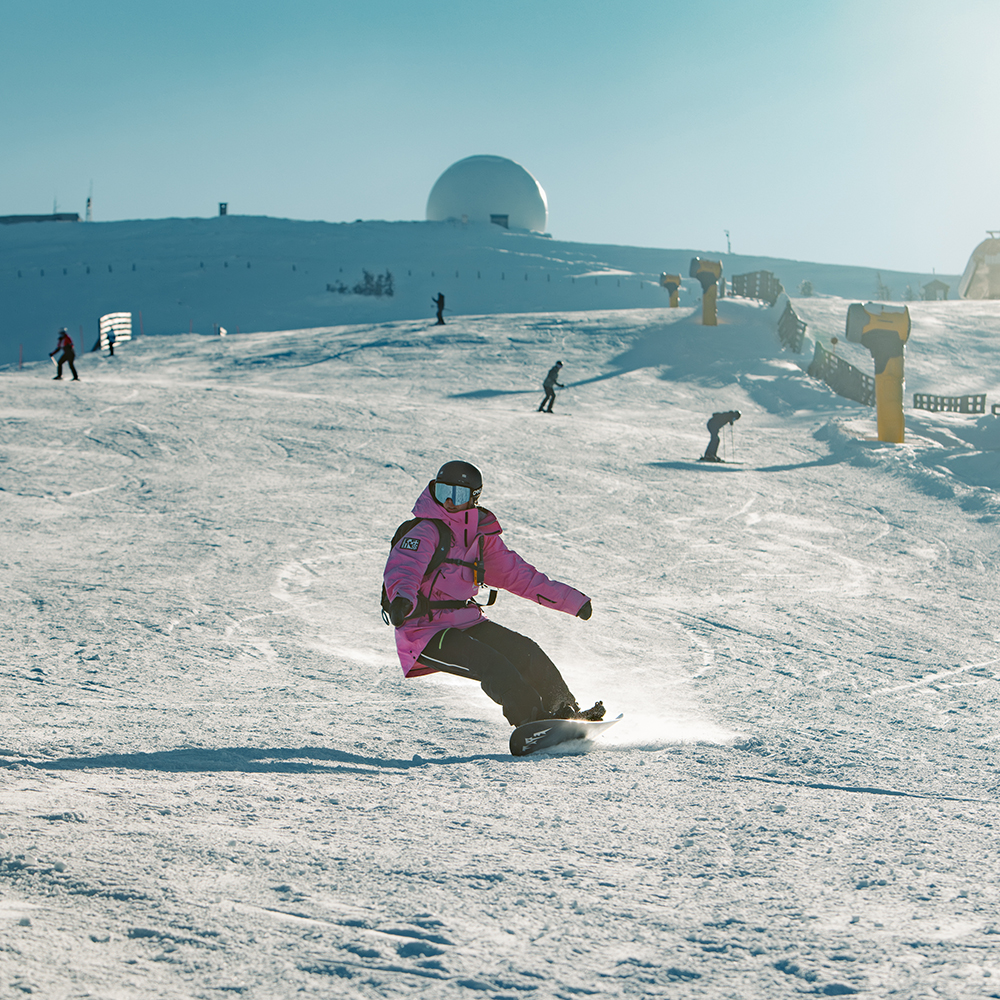
Serbian mountains are a paradise for winter sport enthusiasts. Here, you will find everything, from skiing to snowboarding to Nordic skiing!
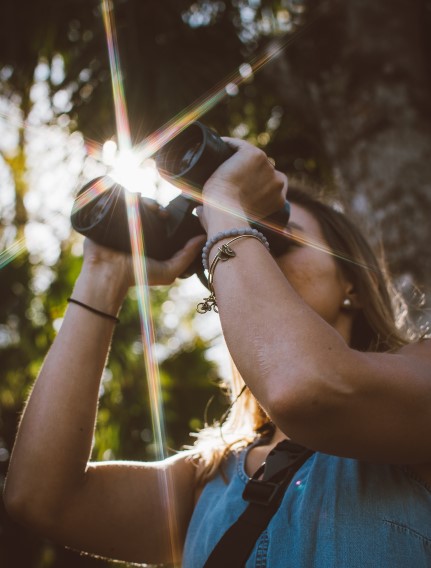
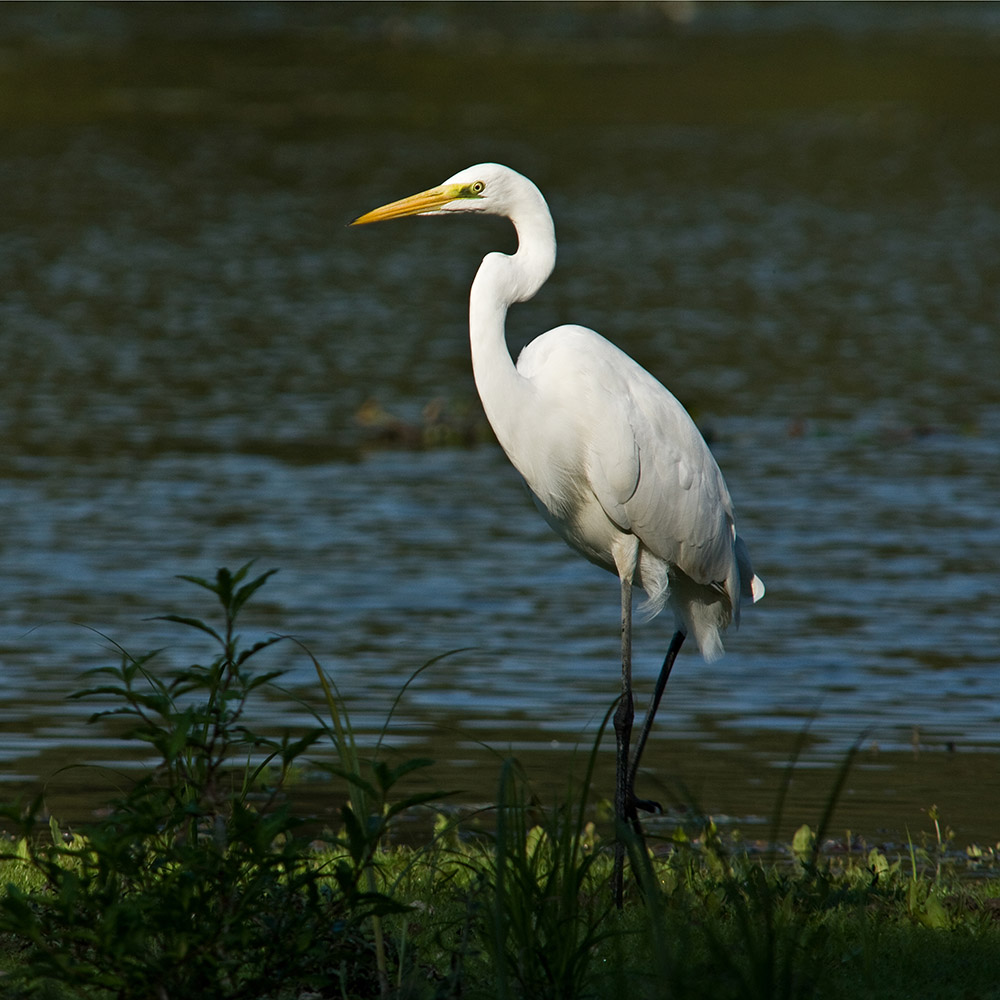
The lush fields and thick forests that cover much of Serbia provide perfect habitats for numerous bird species.
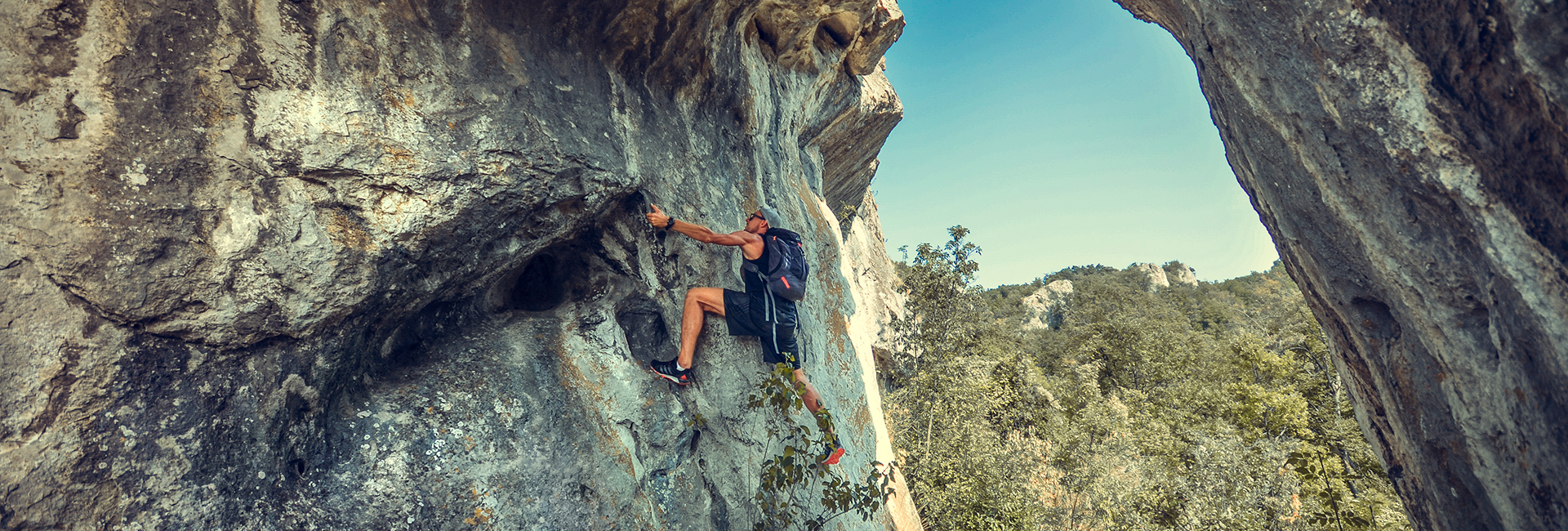
Serbia has a lot to offer to those who love free climbing.
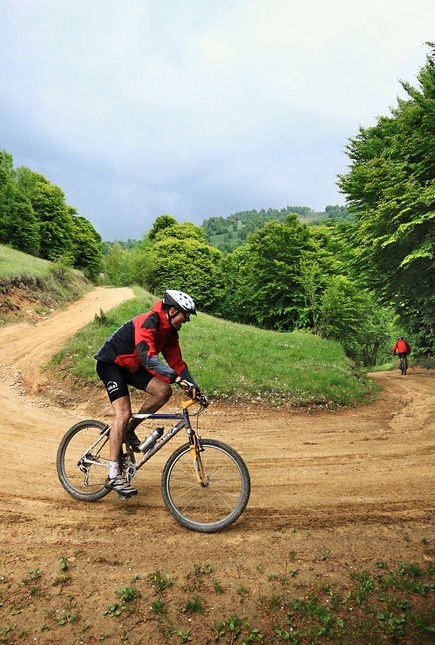
Serbia’s diverse terrain provides the perfect backdrop for your passion.
In Serbia the Bačko Podunavlje and Golija Mountain both hold the prestigious title of designated UNESCO Biosphere Reserve. These unique natural sites, filled with lush flora and fauna, are well-preserved to ensure they can be enjoyed for generations to come.
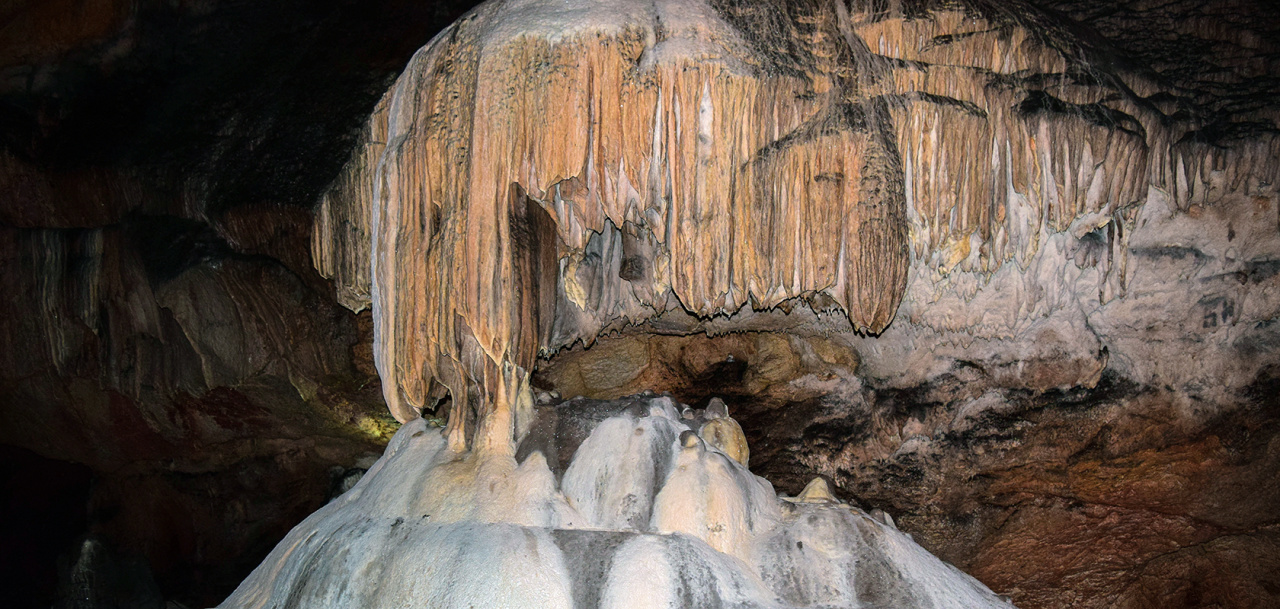
The area around the village of Zlot, near Kučaj in Eastern Serbia, is rich in speleological sites – known as Zlot Caves.
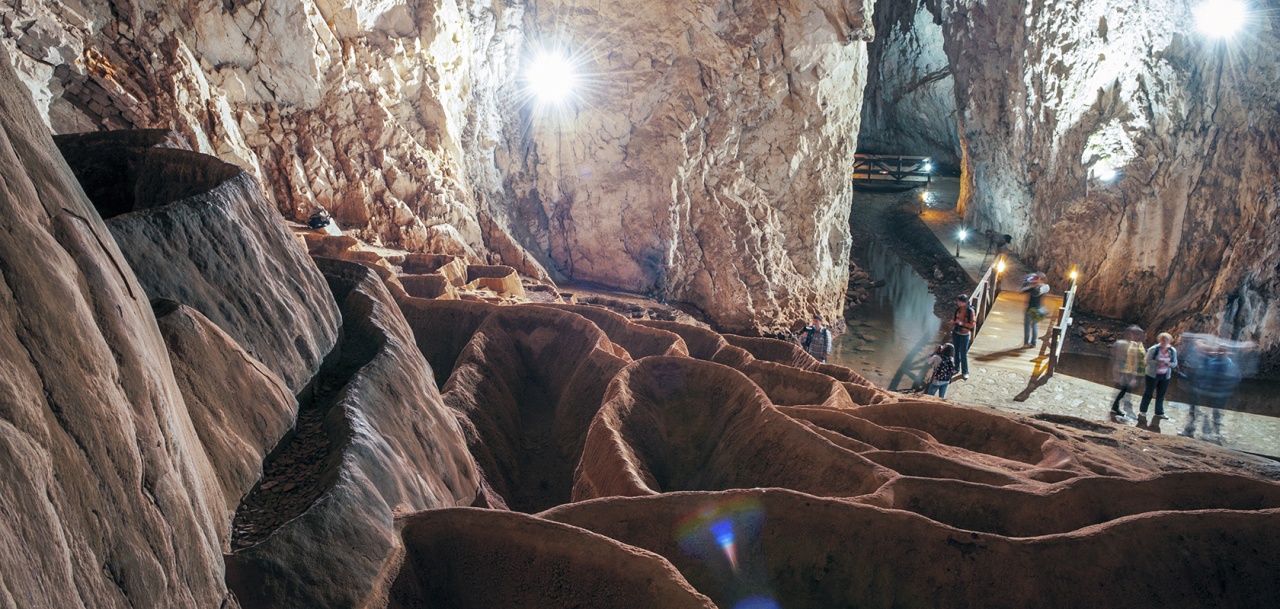
Stopića Cave, a true gem of nature, lies on the slopes of Mount Zlatibor – one of the most visited Serbian mountains – at an elevation of 711 metres above sea level.
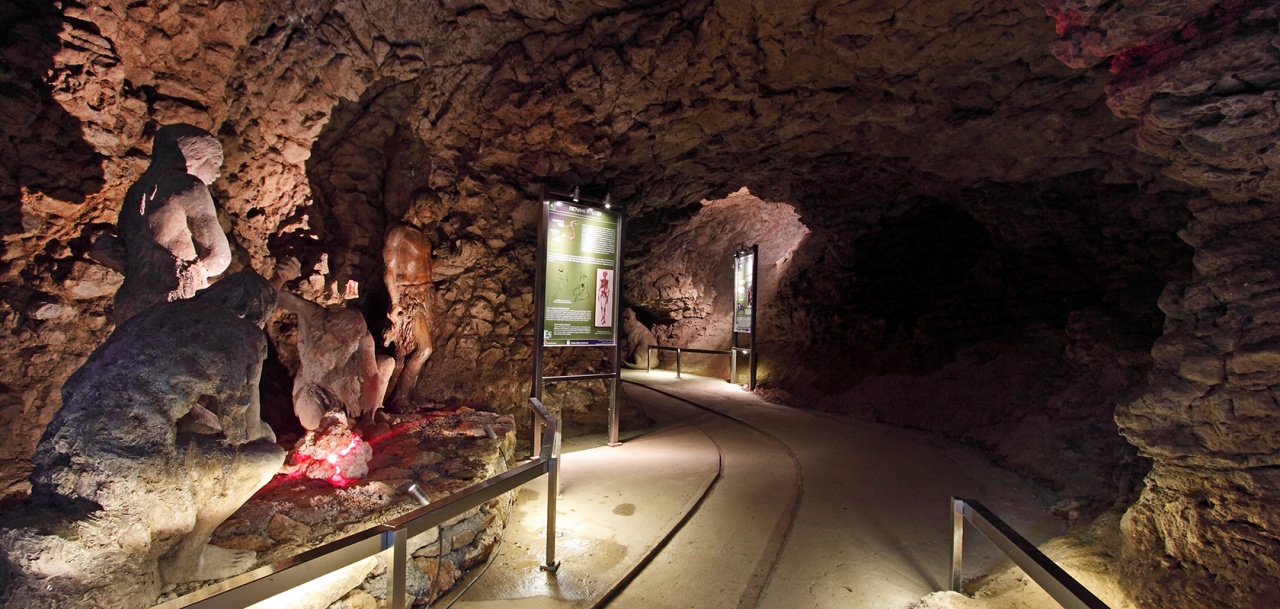
Risovača hill, situated in Central Serbia, at the entrance to the town of Aranđelovac, boasts Risovača Cave, a major archaeological and paleontological site.




 Previous